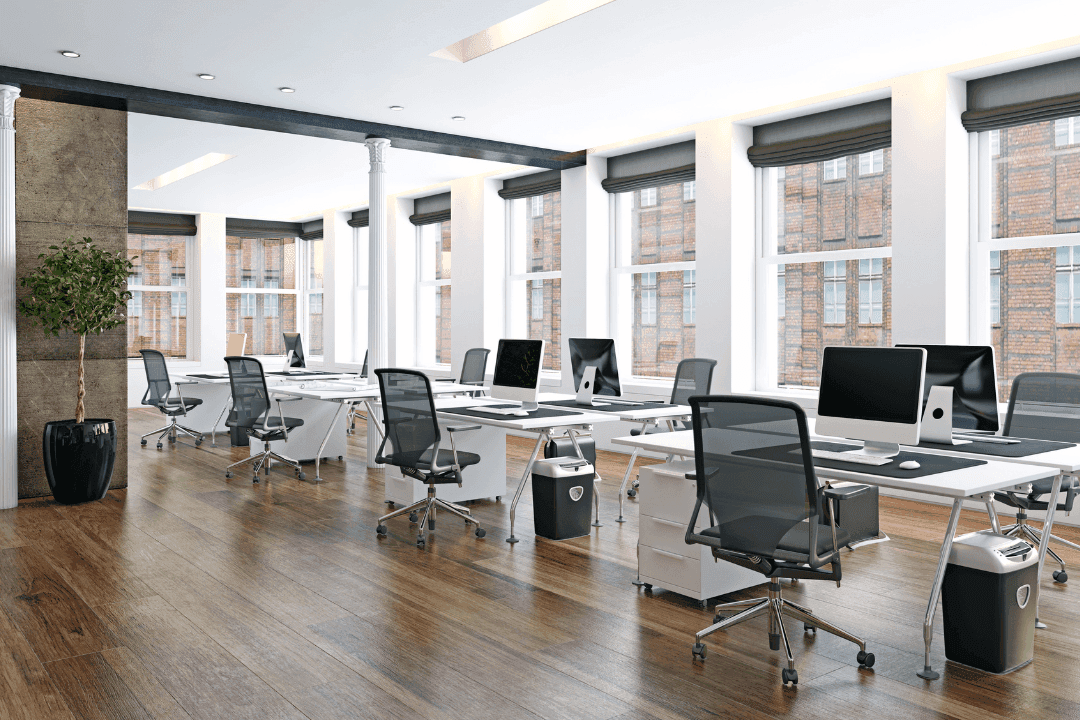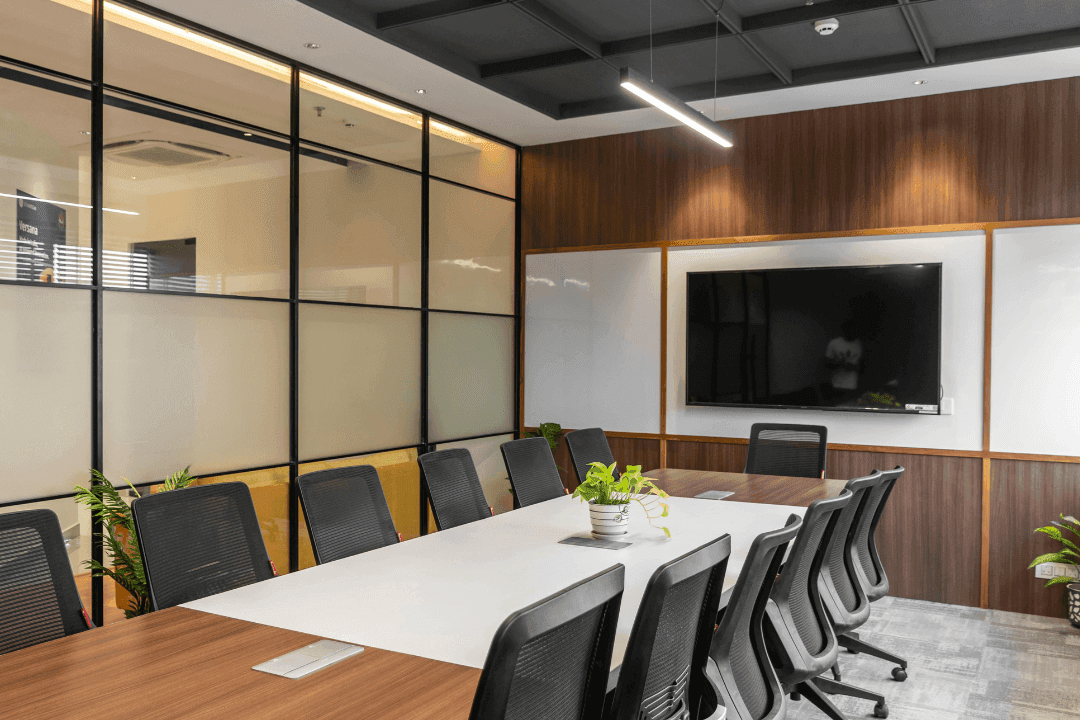
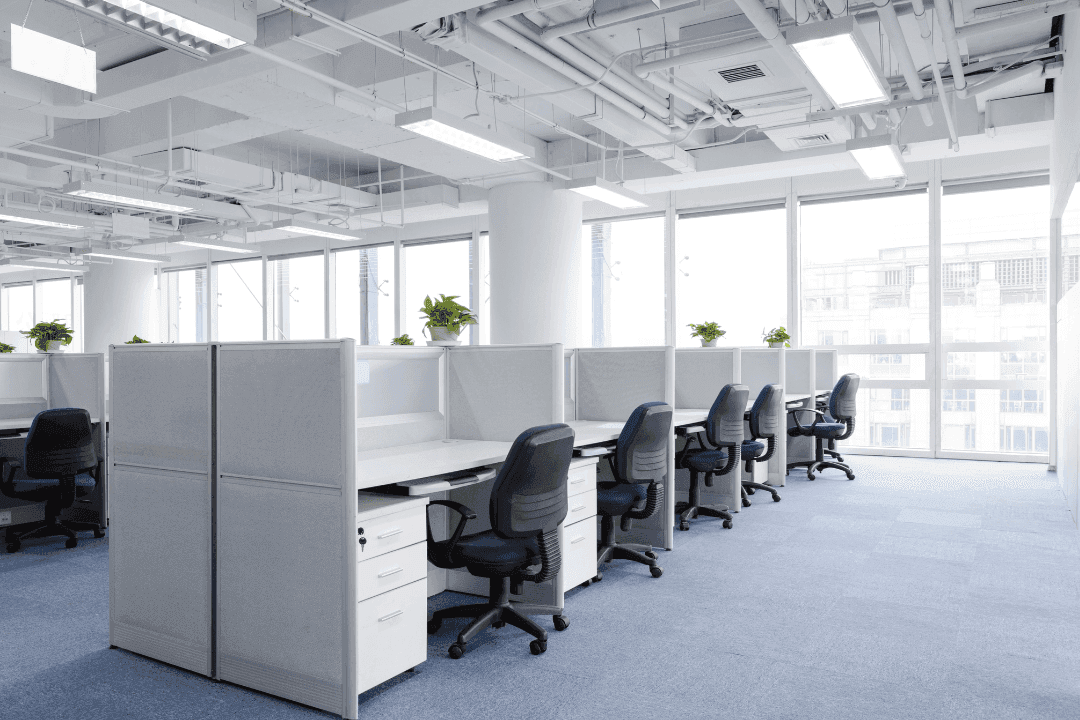
In a world buzzing with coworking hubs, virtual setups, and remote-first models, one question often comes up: Are conventional offices still relevant? For startups and freelancers, flexible workspaces may be the obvious choice. But for established businesses, conventional offices continue to hold a timeless appeal.
Think about it—when a client walks into a corporate headquarters with polished meeting rooms and a branded reception, the impression is very different from a shared coworking corner. Conventional offices have long represented stability, credibility, and trust. And even as the workplace evolves, they remain the backbone for many organizations worldwide.
In this article, we’ll explore why conventional offices still matter, the unique benefits they offer, how they compare to modern alternatives, and their role in the future of work.
Why Conventional Offices Still Matter
Stability and Brand Image
For established businesses, perception matters. A conventional office communicates strength, permanence, and reliability. Clients walking into a company-owned or long-term leased office feel assured that they’re dealing with an organization built to last.
Startups may benefit from flexibility, but established firms rely on projecting a strong identity. A physical office—complete with company branding, dedicated spaces, and long-standing presence—reinforces that image.
A Central Hub for Teams and Clients
Another reason traditional offices endure is their role as a central hub. They bring employees, clients, and partners together under one roof. For industries where face-to-face collaboration, quick decision-making, and in-person meetings are essential, having a dedicated office space is invaluable.
Think of law firms, banks, or multinational corporations. Their operations often require confidentiality, close collaboration, and a professional environment. A conventional office ensures they can deliver this seamlessly.
Key Benefits of Traditional Office Spaces
Professional Identity and Credibility
First impressions matter. A well-designed conventional office provides a sense of legitimacy and authority that virtual or flexible spaces often can’t match. It tells clients, investors, and even employees that the business is stable, established, and serious about its future.
Take the example of a corporate headquarters. The building itself becomes part of the company’s brand identity—just like Google’s offices or Apple’s iconic campus. These physical spaces aren’t just offices; they’re symbols of power and success.
Better Control Over Work Culture
Work culture plays a big role in employee satisfaction and productivity. While remote work and coworking spaces offer independence, conventional offices allow businesses to create a tailored environment. From designing workspaces that reflect company values to establishing policies that guide collaboration, traditional offices give leaders full control.
This control extends beyond design. Leaders can manage employee interactions, encourage mentorship, and foster collaboration in ways that are harder to achieve in fragmented or remote setups.
Privacy and Security Advantages
For many industries, data security and privacy are non-negotiable. Conventional offices provide a secure environment for handling sensitive information. Unlike coworking spaces where multiple organizations share the same network or infrastructure, traditional offices allow for tighter security protocols.
Financial institutions, healthcare providers, and government contractors, for example, rely heavily on this aspect. Having control over IT systems, access points, and physical spaces ensures confidentiality and compliance with regulations.
Conventional Offices vs. Modern Alternatives
Comparing Traditional Offices with Coworking Spaces
Coworking spaces are excellent for startups, freelancers, and small businesses looking for flexibility and lower costs. They offer networking opportunities and modern amenities. But for established businesses, they can feel limiting.
Conventional offices, on the other hand, provide customization, privacy, and long-term brand reinforcement. A multinational company might use coworking for temporary satellite offices but still maintain its headquarters in a conventional space for credibility and centralization.
Why Established Businesses Still Prefer Their Own Offices
The answer often comes down to scale, control, and perception. Established companies need spaces that can grow with them, reflect their brand identity, and maintain consistent operations. A conventional office offers that stability.
Clients expect established firms to have their own offices. Employees too often feel more connected to a company with a defined physical presence. For businesses that prioritize reputation, client trust, and controlled environments, conventional offices remain the gold standard.
Future of Conventional Offices in a Hybrid World
Adapting Tradition with Modern Flexibility
The future of work doesn’t mean abandoning conventional offices—it means reimagining them. Many businesses are adopting hybrid models, where employees split their time between home and office. In this scenario, conventional offices serve as collaborative hubs while still offering the structure and identity businesses need.
Office designs are also evolving. Instead of endless cubicles, modern conventional offices now feature open lounges, innovation labs, wellness areas, and technology-driven meeting rooms. These changes blend the best of tradition with the demands of today’s workforce.
Blending Stability with Innovation
Established businesses understand the need for innovation. Conventional offices are no longer static—they’re evolving to support creativity, flexibility, and digital integration. Whether it’s adopting smart office technology, creating hot-desking zones, or integrating eco-friendly designs, companies are proving that conventional offices can be both timeless and forward-thinking.
Conclusion
While the workplace has evolved rapidly in recent years, the timeless appeal of conventional offices for established businesses remains undeniable. These spaces represent stability, credibility, and control—qualities that are especially critical for industries built on trust and reputation.
For startups and freelancers, flexible workspaces might be the future. But for established businesses, conventional offices will continue to serve as strongholds of brand identity and professional culture. By blending tradition with modern innovation, conventional offices are not just surviving in a hybrid world—they’re thriving.

Frequently Asked Questions (FAQ)
Q1. Why do established businesses still prefer conventional offices?
Because they provide stability, brand credibility, and better control over operations, culture, and security.
Q2. Are conventional offices more expensive than coworking spaces?
Generally, yes. But for large businesses, the investment pays off through stronger branding, long-term stability, and better security.
Q3. Can conventional offices adapt to hybrid work models?
Absolutely. Many companies are redesigning traditional offices to include flexible layouts, technology-driven spaces, and collaborative hubs.
Q4. Do conventional offices offer better data security than coworking spaces?
Yes. Traditional offices give businesses full control over their IT systems, networks, and access policies, making them more secure for sensitive industries.
Q5. Will conventional offices disappear in the future?
No. While coworking and remote work are growing, conventional offices will continue to serve as the backbone for established businesses that value stability, reputation, and centralization.