The modern workplace has transformed dramatically over the past decade. Businesses today demand flexibility without losing control over their operations. That’s where managed offices step in — they provide the perfect balance between adaptability and authority, making them an increasingly popular choice for startups, SMEs, and even established enterprises.
What Are Managed Offices?
Definition and Concept
A managed office is a fully equipped, customized workspace provided by a third party. Unlike traditional office leases, managed offices are flexible, scalable, and come with professional services like IT support, maintenance, and facility management.
How They Differ from Traditional Offices
In a traditional office setup, businesses handle everything — from furniture to security. Managed offices, however, take care of these essentials while still giving companies freedom to tailor the space according to their needs.

The Rise of Managed Office Spaces
Market Trends and Demand
The global demand for managed offices is skyrocketing, driven by the hybrid work culture. Many companies want a professional space without long-term financial burdens.
Post-Pandemic Work Preferences
COVID-19 reshaped work culture, pushing businesses to embrace flexible solutions. Managed offices became a sweet spot — secure, tech-ready, and easily adjustable.
Key Features of Managed Offices
Fully Furnished Workspaces
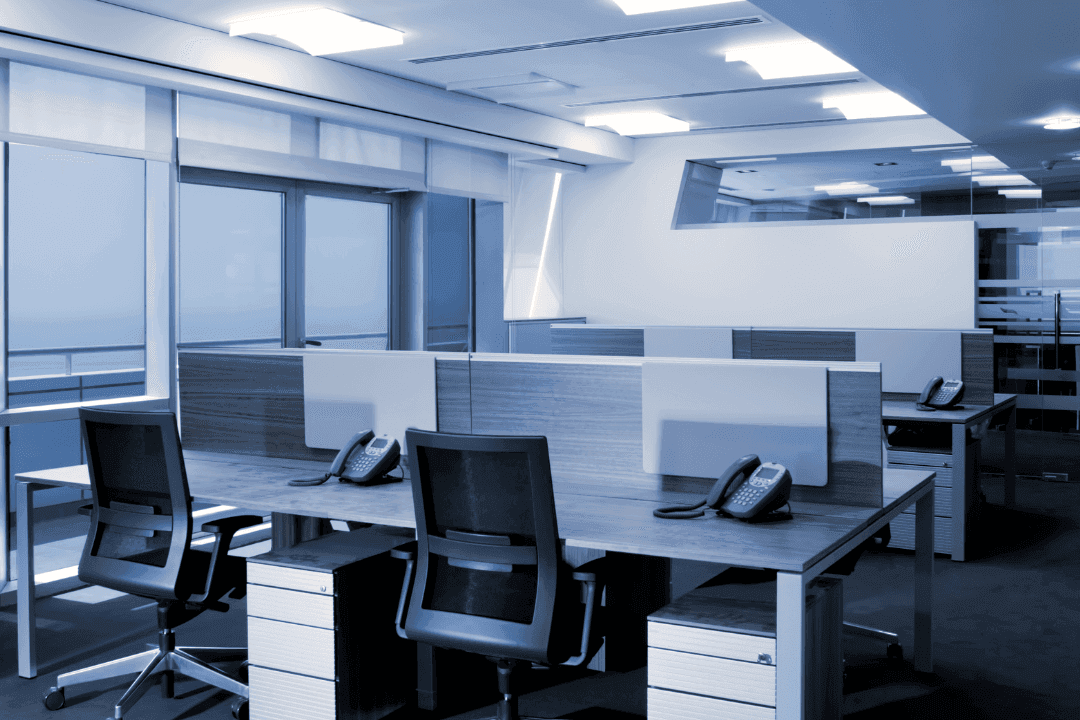
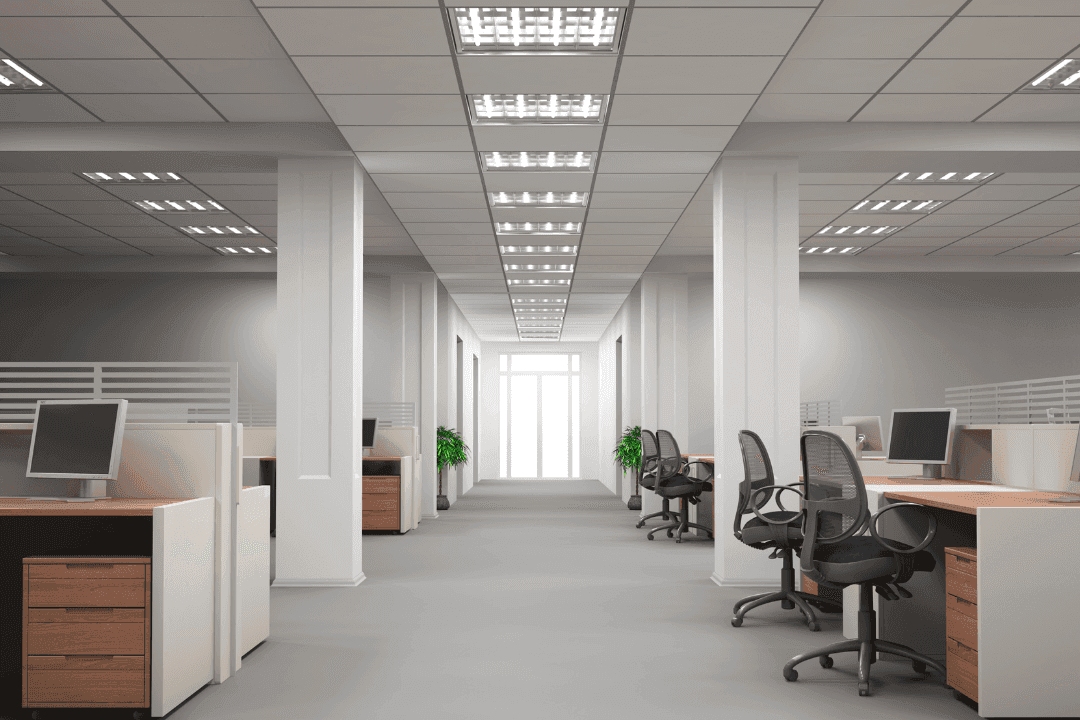
From ergonomic desks to collaborative meeting rooms, everything is pre-set.
IT Infrastructure and Support
High-speed internet, cybersecurity, and 24/7 tech support are included.
Flexible Lease Terms
No long, rigid contracts — companies can expand or downsize as required.
On-Demand Scalability
As teams grow, additional space can be added effortlessly.
Benefits of Managed Offices
Flexibility
Adaptability to Business Growth
A growing startup doesn’t need to move offices constantly. Managed offices scale with you.
Short vs Long-Term Commitments
Businesses can choose monthly contracts or multi-year agreements.
Control
Customization Options
Unlike co-working spaces, companies can brand and design their managed offices.
Brand Identity and Privacy
Your company gets its own secure environment, free from distractions.
Flexibility in Practice
Remote and Hybrid Work Support
Managed offices support hybrid schedules, offering hot desks or permanent setups.
Easy Relocation Opportunities
Need to move cities? Managed office providers usually have multiple locations for seamless transitions.
Control in Practice
Security and Data Protection
Unlike shared co-working spaces, managed offices ensure controlled access and robust data security.
Workspace Customization
Choose your colors, branding, and layout — creating a space that feels truly yours.
Cost Efficiency of Managed Offices
Transparent Pricing
All costs (rent, utilities, internet, furniture) are bundled into one predictable monthly bill.
Reduced Setup and Maintenance Costs
Businesses avoid heavy upfront investments in furniture or tech infrastructure.
Technology and Innovation in Managed Offices
Smart Office Solutions
IoT-enabled lighting, access systems, and smart meeting rooms enhance productivity.
Advanced Communication Tools
Video conferencing, VoIP systems, and collaborative apps are standard.
Who Benefits Most from Managed Offices?
Startups
Quick setup, flexible leases, and no huge investments.
SMEs
Professional infrastructure without operational headaches.
Large Enterprises
Cost savings and hassle-free management for satellite offices.
Remote Teams
A central hub to collaborate when needed.
Managed Offices vs Co-working Spaces
Differences in Flexibility
Co-working offers day-to-day flexibility, while managed offices provide long-term adaptable solutions.
Privacy and Control Aspects
Managed offices give exclusivity, branding, and security — things co-working often lacks.
Case Studies: Businesses Thriving in Managed Offices
Many growing startups have scaled smoothly using managed offices, while global companies use them to set up regional offices quickly and efficiently.
Challenges of Managed Offices
Cost for Very Small Teams
Solo entrepreneurs might find managed offices pricier compared to co-working.
Limited Ownership Feel
Since you don’t own the space, there’s still a sense of “leasing” rather than permanent possession.
Future of Managed Office Spaces
Integration of AI and Automation
Expect AI-driven facility management and automated booking systems.
Sustainable and Green Offices
Eco-friendly materials, energy-efficient designs, and wellness-focused spaces will dominate.
Conclusion
Managed offices truly strike the balance between flexibility and control. They give businesses the freedom to grow, adapt, and innovate while still maintaining authority over their work environment. For modern companies, they are not just a trend — they are the future of workspaces.
FAQ
1. What is the main difference between managed offices and co-working spaces?
Managed offices provide private, customizable spaces, while co-working is shared and less private.
2. Are managed offices suitable for small startups?
Yes, but very small teams might find them costlier than co-working options.
3. Can I customize the design of a managed office?
Absolutely! Managed offices allow full customization of layout, branding, and interiors.
4. Do managed offices include IT and internet services?
Yes, most providers offer high-speed internet, IT infrastructure, and security.
5. What industries benefit most from managed offices?
Startups, tech firms, consultancies, and enterprises needing satellite offices benefit greatly.