Introduction: Why Your Office Setup Matters
Let’s be honest—most traditional office spaces weren’t exactly designed with productivity in mind. Think flickering fluorescent lights, stiff chairs, bland beige walls, and a constant hum of background noise. Sound familiar? You’re not alone. But here’s the good news: you don’t have to tear down walls or move buildings to create a workspace that actually works for you.
Productivity isn’t just about to-do lists and time-blocking—it starts with your environment. And the conventional office, with the right custom touches, can become a powerhouse of focus, creativity, and output.
The Link Between Environment and Output
Studies have consistently shown that our surroundings directly impact our ability to concentrate, solve problems, and stay motivated. Even simple adjustments to lighting, noise, or layout can result in measurable improvements in performance.
Think about it: you wouldn’t train for a marathon in flip-flops. So why try to do deep, meaningful work in a space that wasn’t built to support it?
Common Pitfalls in Traditional Office Spaces
Most conventional offices suffer from a few core issues:
- Poor lighting (especially lack of natural light)
- Noise pollution (open-plan chatter, ringing phones, HVAC systems)
- Lack of personalization
- Ergonomic nightmares
The good news? These are all fixable—with a bit of intentional design and some smart investments.
Layout and Space Optimization
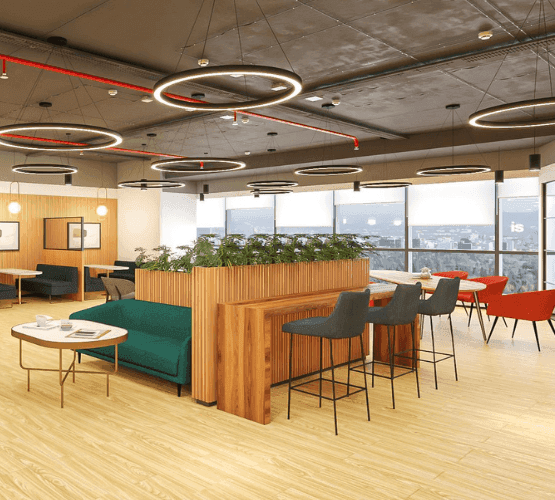
Create Zones for Different Types of Work
One size doesn’t fit all—especially when it comes to productivity. A space that’s perfect for brainstorming may be horrible for deep-focus tasks.
That’s why smart offices create “zones”:
- A quiet zone for focused, heads-down work
- A collaboration zone with whiteboards and seating for meetings
- A breakout zone for casual conversations and decompression
Even in small offices, you can do this with furniture arrangements, rugs, lighting, or signage. The goal is to signal the purpose of each area so people can match their environment to their task.
Let Natural Light and Movement Guide Your Layout
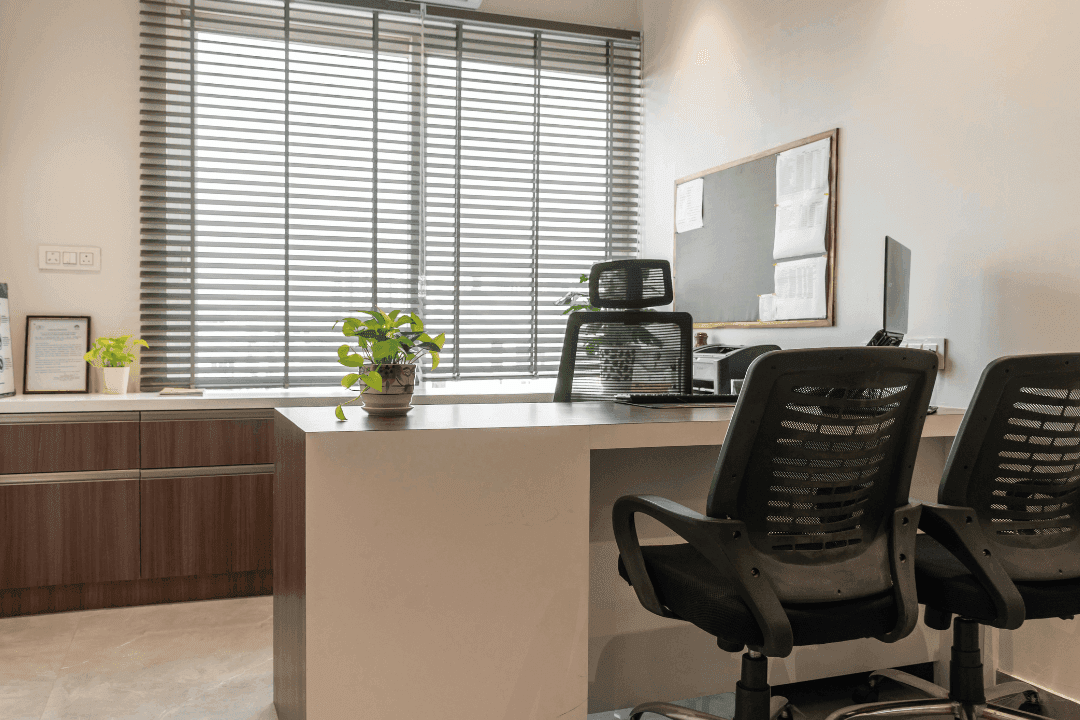
Natural light is one of the most powerful productivity boosters, yet it's often overlooked. Try placing desks near windows or using mirrors to reflect daylight deeper into the room. Employees exposed to natural light report:
- Better sleep
- Higher energy levels
- Reduced eye strain
Also, consider movement. Can people easily get up and stretch? Is there a natural path through the space that encourages walking or quick breaks? A productive office allows for fluid, low-friction movement throughout the day.
Personalizing Your Workspace for Focus
Add Elements That Reflect Your Personality
Your desk isn’t just a desk—it’s a mini environment that can shape your mindset. Personal touches can reduce stress and increase emotional engagement with your work.
Think:
- A small plant
- A photo that makes you smile
- Art that inspires you
- A vision board for your goals
These aren’t distractions—they’re anchors. They help you feel at home, which supports sustained focus.
Minimize Distractions Without Losing Comfort
Of course, too much personalization can become clutter. The key is balance. Choose items that support focus, not steal it.
Other ways to reduce distractions:
- Noise-cancelling headphones or soundproofing panels
- Cable management tools to keep your desk tidy
- An ergonomic chair and standing desk setup to reduce physical fatigue
You’re aiming for a space that feels both energizing and calming—a place you actually want to spend eight hours in.
Technology and Tools That Boost Productivity
Invest in the Right Hardware and Software
Let’s talk tools. If your computer crashes twice a day or your Wi-Fi drops every time someone makes popcorn in the break room, no amount of motivational quotes on the wall will save your productivity.
Consider upgrading:
- Dual monitors for easier multitasking
- Fast, reliable internet
- External keyboards and mice for ergonomic typing
- Project management software like Asana, Trello, or Notion
These aren’t luxuries—they’re investments in output and efficiency.
Automate Repetitive Tasks and Streamline Workflows
Are you or your team still manually inputting data into spreadsheets every week? Time to automate.
Look into:
- Email filters and auto-responders
- Time-tracking tools
- Templates for recurring emails or reports
- Integrations between apps (like syncing calendars and to-do lists)
Every minute saved is a minute you can use for more meaningful, strategic work. Automation frees your brain for what really matters.

Building a Culture of Productivity
Encourage Collaboration Without Sacrificing Focus
Open offices were supposed to foster collaboration, but they often killed focus instead. The answer? Intentional communication design.
Try:
- Setting quiet hours where no meetings or chatter are allowed
- Using tools like Slack for non-urgent conversations
- Creating “huddle rooms” for quick meetings that don’t disturb others
When collaboration is structured rather than spontaneous chaos, everyone wins.
Incorporate Breaks, Movement, and Well-being Practices
Productivity isn’t a sprint—it’s a marathon. And no one performs at their best when they're burned out.
Encourage things like:
- Scheduled breaks away from the screen
- Onsite wellness perks (even something simple like a meditation app subscription)
- Standing desks or walking meetings
- A culture where leaving on time is not only allowed—it’s expected
People work better when they feel better. Prioritizing well-being is a productivity strategy, not a luxury.
Conclusion and FAQs
Customizing your conventional office isn’t about big-budget overhauls or trendy gimmicks. It’s about creating an environment that supports the way you and your team actually work—with intention, flexibility, and humanity.
From layout and lighting to tech tools and wellness culture, small changes can lead to huge results. So take a fresh look at your workspace. What’s one thing you can improve today? Start there, and you’re on the road to a more productive office—and a happier team.
FAQs
1. What’s the easiest way to start customizing my office for productivity?
Start with lighting and layout. Move your desk near a window if possible, and create zones for different types of tasks (focus, collaboration, breaks).
2. Do I need to spend a lot of money to improve my office space?
Not at all. Even small changes—like adding a plant, using cable organizers, or rearranging furniture—can make a big difference without breaking the bank.
3. How does personalization impact productivity?
Adding personal touches can make your workspace feel more comfortable and motivating, which helps with focus, morale, and creativity.
4. Can conventional offices really compete with modern workspaces like coworking spaces?
Yes, with intentional design. By optimizing for focus, collaboration, and well-being, traditional offices can be just as effective—sometimes even more so with the right leadership.
5. What tech tools are most helpful for office productivity?
Key tools include project management apps (like Asana or Trello), communication platforms (like Slack), and ergonomic gear (dual monitors, standing desks, etc.) to support efficient workflows.